Police and Ambulance Vehicle Decontamination
Emergency vehicle decontamination covers transport units, police cars and ambulances.
See police and ambulance vehicle decontaminationGet blood, bodily fluids, waste and odor removed from a car, truck, RV or boat in Brickell Village. Vehicle biohazard remediation reaches hidden contamination in seats, carpet, trim and the air system.
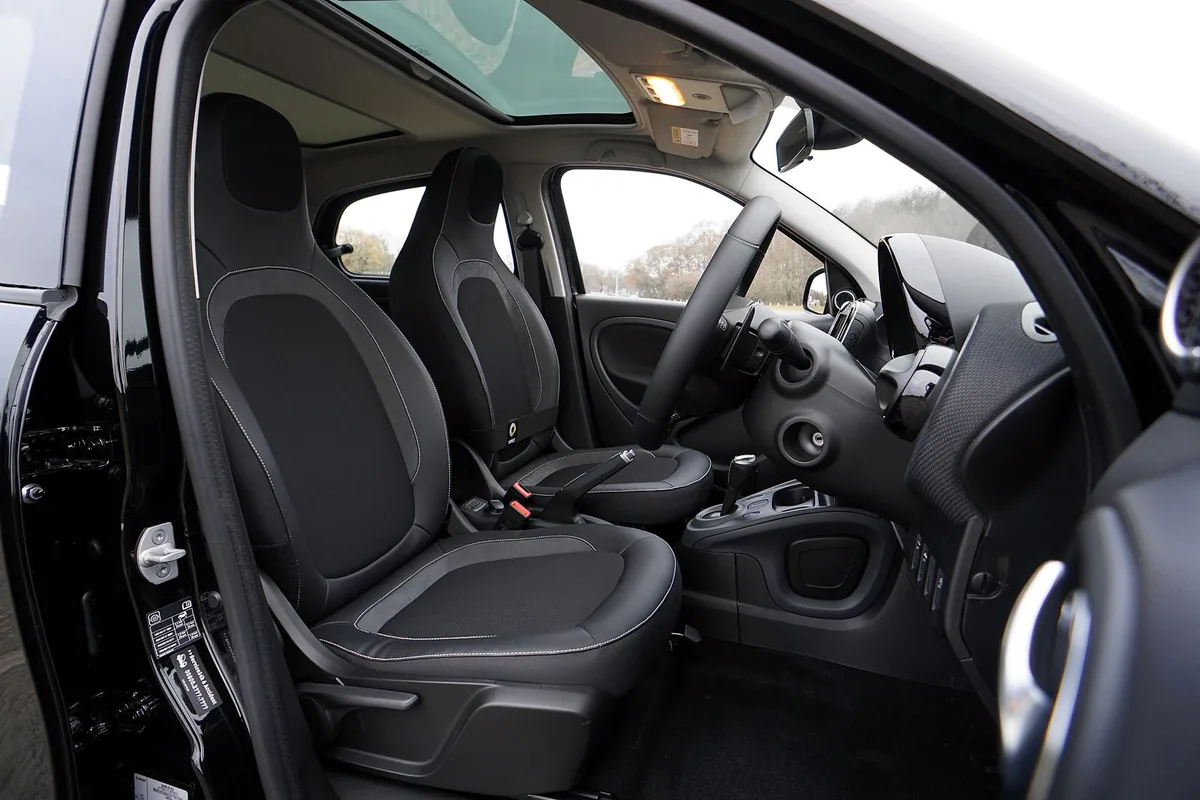
A vehicle biohazard cleanup removes contaminated materials, including bodily fluids, blood, animal waste and human waste, from a fleet unit, boat, RV, truck or car. The remaining work includes disinfection, cleaning and odor treatment.
Contamination can follow concealed paths inside the cabin. Liquid can move from the seat surface to its foam, beneath floor carpet, around clips for the trim and along spaces containing wires. Ventilation may carry odor through vents and to the cabin filter as well. Standard detailing improves appearance. Vehicle biohazard remediation looks beyond that goal by following the affected route and examining surrounding material.
Protective equipment and a controlled inspection come first. Next, affected material that cannot be thoroughly disinfected is taken out, surfaces are carefully cleaned, and hazardous waste goes to proper disposal. EPA-registered disinfectants stay wet throughout the contact time printed on the label. These steps show you what may be kept and which cabin parts have to be removed.
Sorting tools, documents and other property includes your direction. Items are not treated as waste simply because they were inside the vehicle.
Photos, the cleanup scope and records of removed materials can be organized for your insurance company, fleet manager or property owner.
Phone help is available during the day or night, with workers arriving in unmarked vehicles. You are free to describe what occurred in private and consider the next action without being pressured.
Learn about the vehicle inspection process before you select a cleanup company. Before you move forward, learn what the inspection found, which components may remain, what needs removal and what can change the cost.
Every situation is different, but biohazard vehicle cleaning services are needed when contamination goes beyond a small mark that can be safely wiped from a hard surface. These are common reasons to keep the vehicle closed and ask for an inspection:
An injury, medical event or accident can leave fluid on a seat, door panel, console, carpet or cargo area. Contamination can reach underlying padding despite appearing small on the surface.
Standard car cleaning may not reach porous surfaces and seams penetrated by vomit, urine or feces after sickness, incontinence or extended use.
Needles and drug paraphernalia create puncture and exposure risks. Keep your hands out of door compartments and spaces under seats because hidden sharps may be present.
A death inside a vehicle can affect seat foam, floor coverings, trim and air quality. Disinfection and odor removal follow removal of the source.
Begin by reducing contact and preventing affected material from traveling farther inside the vehicle. Before cleanup technicians examine it, use these precautions:
Call (888) 440-9227Published vehicle biohazard cleanup prices run from $500 to $5,000. The eventual cost reflects what materials are inside, the event's severity, how long ago it occurred and whether air-system decontamination is required. Inspection is necessary since contamination under carpeting or seating may be impossible to see while looking through a door.
Published national cost guides are the source for these ranges, rather than an inspection of your property. An on-site assessment determines your property's price, which is explained to you before the cleanup starts.
Ask about cost: (888) 440-9227Auto insurance can sometimes cover vehicle biohazard cleaning when the underlying event falls within your policy. Since deductibles, required documents and coverage differ, ask the insurance company about them before authorizing the work if circumstances permit.
Describe the event to your adjuster while leaving the vehicle untouched. Ask the insurer whether your policy covers cleaning, towing, restoration and removal of affected interior components.
Keep the claim number, photos, cleanup scope, removed-material list and waste records. Before throwing away affected components, confirm whether the adjuster needs to examine them.
Victims of violent crime can ask the Florida Attorney General's Bureau of Victim Compensation about cleanup, since its rules count crime scene cleanup costs as a compensable loss. Insurance is usually checked first.
The vehicle owner or fleet manager usually starts the claim and approves access. Business insurance can set its own documentation rules, coverage limits and exclusions.
To avoid spreading contamination from one cabin section into another, vehicle biohazard remediation proceeds in a controlled order from start to finish. What happened, the time after exposure and the vehicle's interior materials shape each step.
During inspection, cleanup technicians check the passenger area, cargo section, trunk, flooring, seat edges and exposed ventilation intakes. Pictures show the vehicle's initial condition and support the cleanup scope.
People outside the cleanup are kept away from the vehicle and work zone. Technicians use gloves, protective clothing, eye protection and other gear suited to the exposure.
Belongings are divided among apparently unaffected property, cleanable items and contaminated materials that call for disposal or your decision.
Interior trim, headliner, padding, carpeting, foam or seat coverings are taken out only when contamination has penetrated materials that cannot be completely disinfected.
An EPA-registered disinfectant is applied after hard materials have been cleaned. For the entire contact time listed on the label, the surface is kept wet.
If contamination or odor could have reached the climate system, the inspection includes vents, air intakes and the cabin filter. Source removal remains the first priority.
Removed material is packaged for disposal under the rules that apply to the waste. An insurer or fleet manager can use the cleanup records.
A final check of affected areas and surrounding areas helps ensure no contaminated matter is left behind. You receive an explanation of cleaned areas, removed materials and any restoration services still needed.
Phone any hour. A vehicle biohazard cleanup specialist answers, explains the steps and agrees a start time with you.
Blood, bodily fluids, waste and hidden sharp objects can create serious health risks inside the small, enclosed space of a vehicle.
Blood may carry HIV as well as hepatitis B and hepatitis C. Dried material needs cautious treatment because the CDC says hepatitis B may live on a surface for at least seven days.
Under seats, inside pockets and around personal property are places where a needle may remain unseen. Searching the vehicle interior without puncture-resistant equipment may expose you to hazards.
Gravity draws liquid into seams. It may reach seat foam, carpet padding, floor channels and fasteners even when the visible surface looks dry.
Can you clean it yourself? Wear gloves to treat several recent drops on a solid, non-absorbent area. Use an EPA-registered disinfectant and observe its complete labeled contact time. Keep away and seek professional cleanup when fluid reaches a vent, headliner, seam, carpet, foam or fabric, or when a sharp object is in the area.
The duration of vehicle biohazard cleaning is established once the inspection is complete. A small hard-surface job needs less time than one involving carpet or seat removal, checks inside vents, repeat treatments or replacement components.
| Scene | Typical time on site |
|---|---|
| Limited hard-surface contamination | Timing set after the affected area is inspected |
| Affected seating, floor covering or cargo space | Longer when interior parts must be removed |
| Widespread contamination or air-system work | Timing depends on access, drying and restoration needs |
Finding and taking out the contaminated source is the first step in removing vehicle odor. Air fresheners, fragrances and surface shampoo may briefly cover a smell. They do not clean contamination that has entered insulation, a cabin filter, carpet padding or the foam within a seat.
Cleaning and disinfection of surfaces that can be reached follow source removal. The cabin filter, ventilation openings and air intake may need inspection if odor entered the climate controls. Although an air treatment may aid cleanup, porous material that is affected must still be removed. Keep the fan shut off while the source and travel path are being evaluated.
The OSHA Bloodborne Pathogens Standard, 29 CFR 1910.1030, requires workplace training, protective equipment and exposure-control measures where employees could contact blood.
Surface compatibility and EPA registration against the target pathogen both matter when selecting a disinfectant. The disinfectant needs to stay wet throughout the label's stated contact period.
Florida calls it biomedical waste, and the term covers absorbent materials saturated with blood or body fluids. The Florida Department of Health's rules control packing, transport and treatment, so it cannot go in household trash.
Florida uses district medical examiners, with the Medical Examiners Commission under the Florida Department of Law Enforcement overseeing them. Cleanup starts after police or the medical examiner or coroner release the scene.
The full vehicle biohazard cleanup guide covers what is cleaned or removed, odor and air quality work, and the rules that apply in Florida and Miami-Dade County.
Read the full vehicle biohazard cleanup guide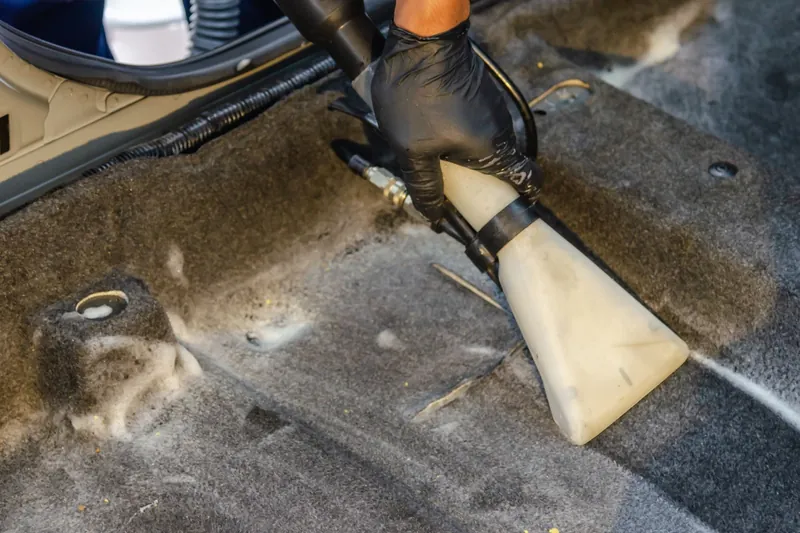
Local population patterns, housing and site access may affect how containment and cleanup are planned.
If direct exposure occurs, the closest listed emergency option is Jackson Health System, about 1.6 miles away, not the cleanup site.
The surrounding area includes Riverfront, Brickell Key, and Downtown, so cleanup travel may cross several local streets or municipal boundaries.
In Brickell Village, identifying the correct building entrance can reduce unnecessary movement through shared spaces during a sensitive cleanup.
You can ask about cleanup in nearby communities and ZIP codes during the call.
Emergency vehicle decontamination covers transport units, police cars and ambulances.
See police and ambulance vehicle decontamination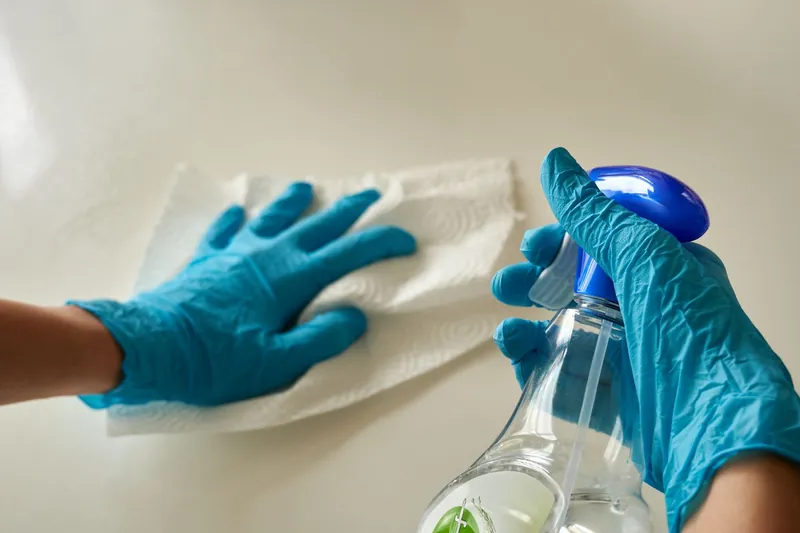
Blood cleanup clears blood from furniture, walls, hard floors and carpet, followed by safe disposal.
See blood cleanup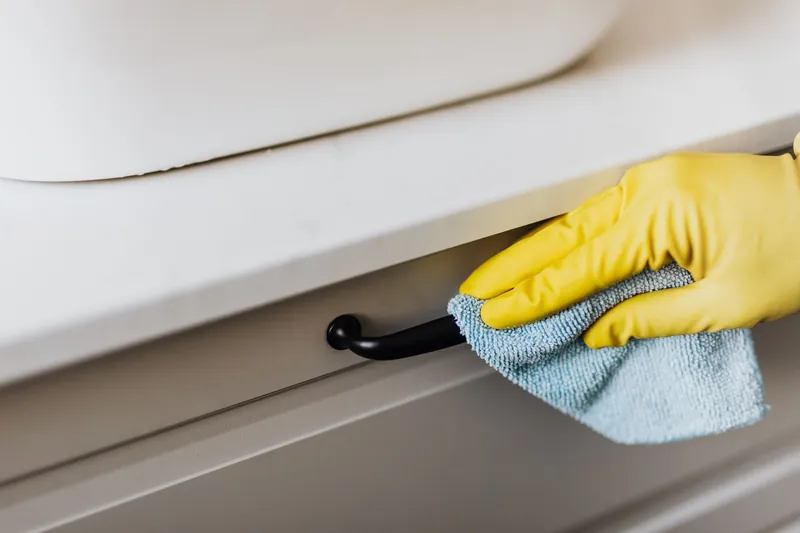
Homes, care environments and businesses receive bodily fluid cleanup and disinfection.
See bodily fluid cleanup
Carpet and upholstered items receive biohazard cleaning or are removed safely if necessary.
See biohazard carpet and upholstery cleaning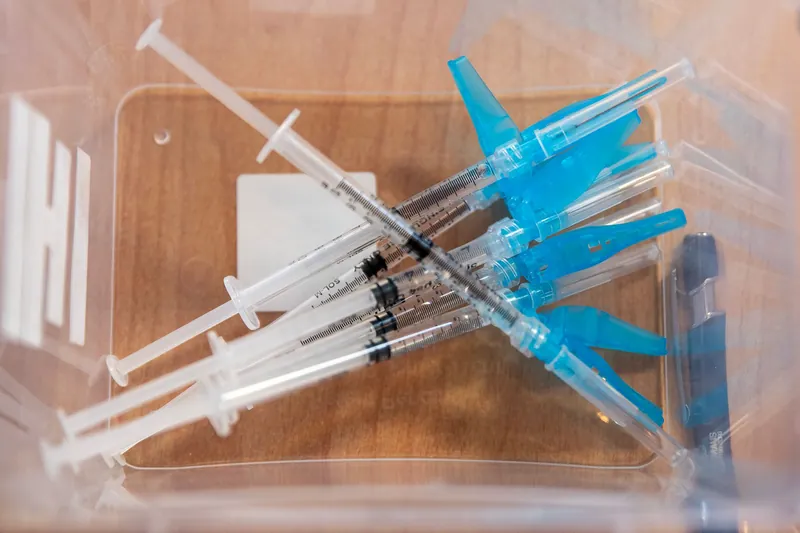
Yards, encampments, parks and rental properties receive needle and sharps cleanup.
See needle and sharps cleanup
Trauma scene cleanup is needed after violent events, accidents and injuries.
See trauma scene cleanup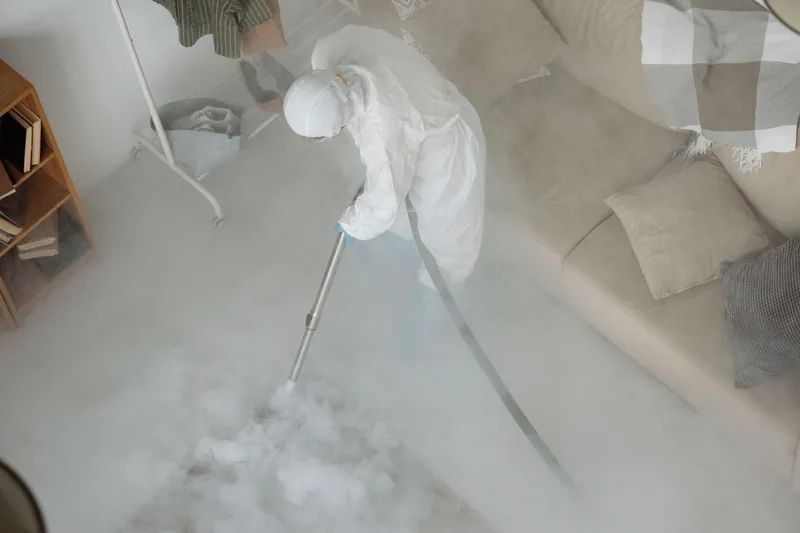
Full decontamination of rooms, surfaces and air after infectious or hazardous exposure.
See biohazard decontamination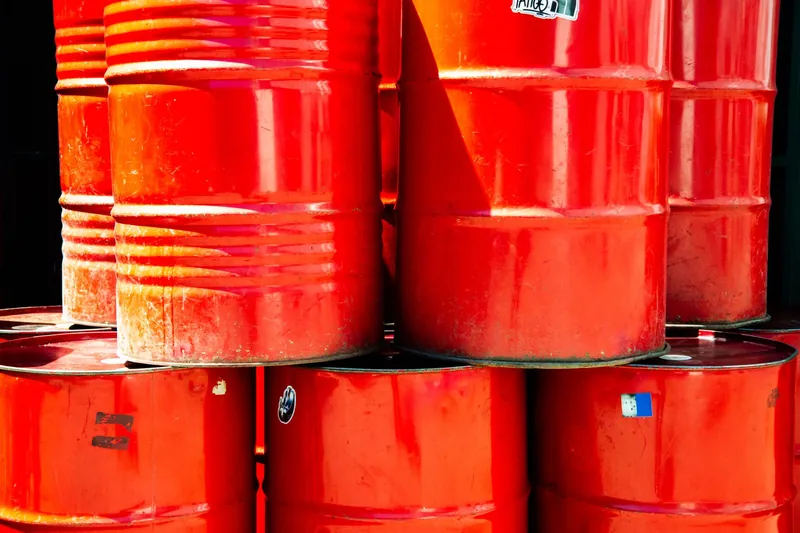
Pickup and disposal of biohazard waste use containers that are sealed and labeled.
See biohazard waste disposalThe vehicle's safety rests on finding the full affected area and either removing or effectively treating contaminated porous materials. Ask for a clear scope showing what was cleaned, what was removed and whether vents or the cabin filter were inspected. Before purchasing the car, examine every available document and consider arranging your own inspection.
The report generally shows that information about a vehicle's biohazard exposure reached a record source. Exact event details, current condition and cleanup quality are not established by the report. Get the event history, cleanup documents and parts-replacement list from the seller or owner, and have the car independently inspected before you choose to use or buy it.
The term applies to a boat, RV, fleet unit, truck or car affected by blood, bodily fluids, sharps, human waste, animal waste or another substance capable of carrying infection. Contamination is what the term identifies, regardless of the vehicle's make or type. Which areas can remain after cleaning, and which porous items may be removed, becomes clear during inspection.
Wait until someone checks the contamination source and air path before turning on the fan or air conditioner. The fan may carry odor through vehicle vents or into the cabin filter. Open a door only when immediate safety requires ventilation, and avoid sitting inside. Treat the smell only after the source is gone, the area is carefully cleaned and affected vents or filters are addressed.
The phrase means that related contamination, waste, bodily fluids or blood have entered part of the car. Damage may include staining, odor and material that cannot be safely kept, such as soaked seat foam or carpet padding. You cannot treat it as routine dirt. A separate hazmat evaluation may be necessary for chemical damage because the two conditions can differ.
The first actions are keeping others away and checking the path of the material. During the cleaning process, workers sort personal property and remove porous parts beyond disinfection before cleaning hard materials and applying an EPA-registered disinfectant for its complete contact time. Odor sources, vents and the cabin filter are checked before a final inspection of the interior.
Respectful, discreet vehicle biohazard cleanup is available 24 hours a day, and crews arrive in unmarked vehicles.